
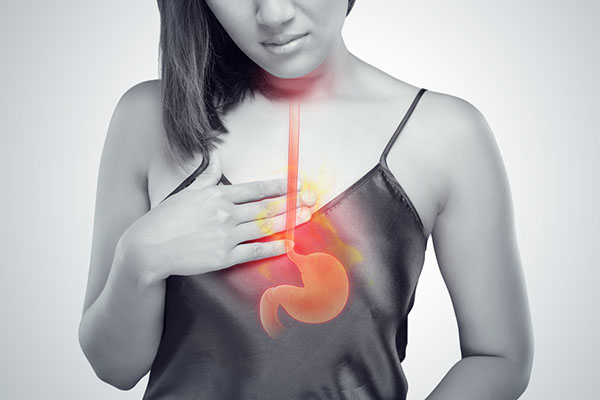
Understanding Acid Reflux
Acid reflux occurs when stomach acid flows back into the food pipe, causing symptoms such as heartburn, bloating, chest discomfort, and a sour or bitter taste in the mouth. Chronic or frequent reflux may progress to gastroesophageal reflux disease (GERD), affecting quality of life and digestion.
Dietary habits, meal timing, portion size, and food combinations are among the most influential triggers making nutrition a central part of reflux management.
Why Acid Reflux Is Common with Modern Eating Habits
While traditional Indian meals were largely gut-friendly, modern adaptations have increased reflux risk. Contributing factors include:
-
Irregular meal timings and late dinners
-
Overuse of refined oils, deep-fried foods, and processed snacks
-
Excessive tea, coffee, and spicy gravies
-
Large portions and fast eating
These habits increase gastric pressure and delay digestion, promoting acid backflow.
Is the Indian Diet Bad for Acid Reflux?
Contrary to popular belief, the Indian diet itself is not the problem. In fact, many traditional Indian foods support digestion and gut health. The issue arises from portion overload, excessive spice, and poor meal timing, rather than spices alone.
When planned mindfully, an Indian diet can be highly effective in managing acid reflux.
Indian Foods That May Worsen Acid Reflux
Some commonly consumed foods may aggravate symptoms, especially when eaten frequently or in large quantities:
-
Deep-fried snacks and pakoras
-
Heavy gravies rich in butter, cream, or excess oil
-
Very spicy chillies and garam masala in excess
-
Excess tea, coffee, and carbonated drinks
-
Late-night sweets and desserts
Individual tolerance varies, making mindful observation important.
Indian Foods That Support Acid Reflux Relief
Several traditional Indian foods can help soothe the digestive tract:
-
Soft-cooked rice, dal, and khichdi
-
Steamed or lightly sautéed vegetables
-
Curd or buttermilk (when tolerated)
-
Jeera, saunf, and ajwain in small amounts
-
Banana, apple, papaya, and soaked almonds
These foods promote gentle digestion and reduce gastric irritation.
Meal Timing and Eating Habits Matter
Beyond food choices, eating patterns significantly influence reflux symptoms:
-
Finish dinner at least 2-3 hours before bedtime
-
Eat smaller, more frequent meals if needed
-
Avoid lying down immediately after eating
-
Eat slowly and chew food thoroughly
Aligning meals with circadian rhythm can further support acid control.
Lifestyle Factors That Influence Acid Reflux
Acid reflux is rarely caused by diet alone. Other contributing factors include:
-
Chronic stress and poor sleep
-
Sedentary lifestyle
-
Tight clothing around the abdomen
-
Excess body weight
Addressing these factors enhances dietary effectiveness.
Managing acid reflux does not require eliminating Indian food it requires eating it mindfully. With the right food choices, portion control, and meal timing, the Indian diet can support digestive comfort and long-term gut health. Sustainable relief comes from understanding triggers and creating habits that respect the digestive system.