
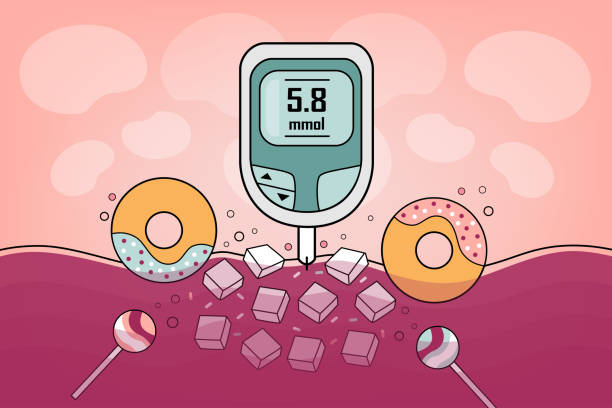
Insulin resistance is one of the most common yet overlooked metabolic conditions today. It often develops silently, with subtle symptoms that are easy to ignore—until it progresses into serious conditions like type 2 diabetes, weight gain, or hormonal imbalances.
Understanding the early warning signs of insulin resistance can help you take action before it impacts your long-term health.
What is Insulin Resistance?

Insulin is a hormone that helps your body use glucose (sugar) for energy. In insulin resistance, your cells stop responding effectively to insulin, causing your body to produce more of it.
Over time, this leads to:
- Elevated blood sugar levels
- Increased fat storage
- Higher risk of metabolic disorders
Early Warning Signs of Insulin Resistance

1. Persistent Fatigue
Feeling tired even after adequate sleep? When your body struggles to use glucose efficiently, energy levels drop, leading to constant fatigue.
2. Increased Belly Fat
One of the most common signs is fat accumulation around the abdomen. High insulin levels promote fat storage, especially in the midsection.
3. Sugar Cravings
Frequent cravings for sugary or high-carb foods may indicate unstable blood sugar levels, a key sign of insulin resistance.
4. Difficulty Losing Weight
Even with diet and exercise, weight loss may feel impossible. Insulin resistance makes fat loss harder and slows metabolism.
5. Brain Fog & Poor Concentration
Struggling to focus or experiencing mental fatigue? Fluctuating blood sugar levels can affect cognitive function.
6. Dark Patches on Skin
A condition called acanthosis nigricans causes dark, velvety patches on the neck, underarms, or groin—often linked to insulin resistance.
7. Frequent Hunger
Feeling hungry soon after meals? This could be due to poor glucose utilization and insulin imbalance.
8. Hormonal Imbalances
In women, insulin resistance is strongly linked to conditions like PCOS, irregular periods, and acne.
Who is at Risk?
You may be at higher risk if you:
- Have a sedentary lifestyle
- Consume high amounts of refined carbs and sugar
- Have a family history of diabetes
- Are overweight or have central obesity
- Experience chronic stress or poor sleep
How to Manage Insulin Resistance Naturally
1. Focus on Balanced Meals
Include protein, fiber, and healthy fats in every meal to stabilize blood sugar levels.
2. Choose Low-Glycemic Foods
Opt for whole grains, legumes, vegetables, and fruits instead of refined carbs.
3. Stay Physically Active
Regular exercise improves insulin sensitivity and helps regulate blood sugar.
4. Prioritize Sleep
Poor sleep can worsen insulin resistance. Aim for 7–8 hours of quality sleep.
5. Manage Stress
Chronic stress increases cortisol, which can worsen insulin resistance.
6. Smart Snacking
Choose snacks like nuts, seeds, boiled eggs, or yogurt instead of sugary options.
The Bottom Line
Insulin resistance doesn’t develop overnight—but it also doesn’t have to progress. Recognizing the early warning signs and making simple lifestyle changes can significantly improve your metabolic health.
The sooner you act, the easier it is to reverse.