
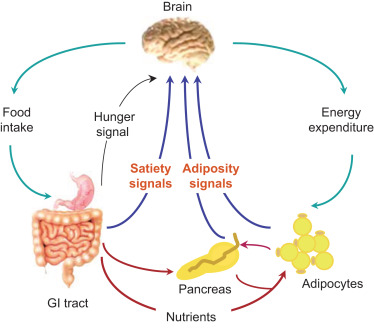
Have you ever eaten a large meal only to feel hungry again just an hour later? Or maybe you’ve experienced the opposite—a surprisingly modest meal that kept you satisfied for hours. This isn’t just about willpower or stomach size; it’s about something far more powerful: your body’s satiety signals.
The secret to lasting fullness—and saying goodbye to constant cravings—lies in understanding three key nutrients that work in beautiful harmony: Protein, Fiber, and Healthy Fats. This isn’t another diet trend. This is human biology, backed by decades of science, and it’s the reason why some meals satisfy us deeply while others leave us searching for more.
Let’s explore how this powerful trio communicates with your brain to tell you, “I’m full,” and how you can use this knowledge in your everyday meals—no matter where in the world you are or what your kitchen looks like.
Part 1: The Fullness Meter – Understanding the Satiety Index
Imagine if foods came with a “fullness rating” instead of just a calorie count. In a way, they do.
Back in the 1990s, researchers in Sydney did something fascinating. They gave volunteers 240-calorie portions of 38 different foods—from croissants to boiled potatoes—and asked them to rate their hunger every 15 minutes. The result was the Satiety Index, a ranking of foods based on their power to satisfy hunger over two hours.

What they discovered changed how we think about food. The winners weren’t what you might expect. Boiled potatoes topped the chart, scoring over three times higher than a croissant. The common thread? The most filling foods were rich in protein, fiber, and water, and they took up more space on the plate for fewer calories.
This simple but powerful idea is our first clue: Fullness isn’t just about calories—it’s about the quality and composition of what’s on your plate.
Part 2: Meet the Trio – Your Body’s Natural Appetite Regulators
Let’s meet the three nutrients that turn on your body’s “I’m satisfied” signal.
1. Protein: The Satiety Powerhouse
Protein does more than build muscle. It’s your body’s most powerful tool for controlling hunger. When you eat protein, it triggers the release of hormones like PYY and GLP-1, which travel to your brain and say, “We’re good here.” At the same time, it quiets ghrelin, your body’s main hunger hormone. Your body also works harder to digest protein, burning more calories in the process—a bonus known as the thermic effect of food.
Simple Truth: Including a good source of protein in every meal is like sending a direct memo to your brain that you’ve had enough.
2. Fiber: The Volume Hero
Think of fiber as nature’s sponge, especially the soluble kind found in oats, beans, apples, and chia seeds. It absorbs water, swells in your stomach, and forms a gentle gel that slows everything down. This slower digestion means nutrients are released gradually, your blood sugar stays stable, and that full feeling lasts much longer. Fiber also feeds the friendly bacteria in your gut, which in turn produce compounds that further promote feelings of fullness.
The Traditional Wisdom: This is the quiet science behind so many of our grandmothers’ meals—hearty lentil stews, vegetable-packed stir-fries, and fermented foods. They were building fullness from the inside out.
3. Healthy Fats: The Slow-Burning Fuel
Fats have been misunderstood. The right kinds—like those in avocado, nuts, seeds, olive oil, and ghee—are essential for satisfaction. They digest slowly, keeping your stomach fuller for longer, and they trigger the release of a hormone called CCK, which puts the brakes on your appetite. Fats also carry flavors and make meals feel nourishing and complete, which satisfies us mentally and emotionally.
The Global Connection: From the olive oil drizzled over Mediterranean salads to the ghee in an Indian tempered dal, cultures that prioritize these fats understand their role in creating deeply satisfying meals.
The Magic of the Trio: When protein, fiber, and healthy fats come together in one meal, they create a symphony of satiety. The protein and fats send hormonal signals, the fiber adds bulk and slows the process, and together they smooth out your energy levels for hours. It’s a biological strategy for sustainable eating.
Part 3: Your Global Guide to Fullness – Practical Combos for Every Kitchen
This isn’t about giving up the foods you love. It’s about enhancing them with intention. Here’s how to build that satisfying trio into any culinary tradition.
For the Indian Subcontinent Plate:
-
Transform Your Thali: Look at your lunch plate. Ensure it has dal or chana (protein + fiber), a generous vegetable sabzi (fiber), a side of dahi or raita (protein + fat), and don’t forget a teaspoon of ghee or a sprinkle of seeds over your rice or roti.

-
Snack with Purpose: Swap processed biscuits for a small bowl of roasted chana with sliced cucumbers or a handful of makhanas (fox nuts) lightly roasted in ghee.

-
A Simple Habit: When you have fruit, pair it with a few nuts or seeds. The fiber in the fruit and the fat/protein in the nuts work together to prevent a sugar spike and keep you full.

For East & Southeast Asian Plates (Chinese, Taiwanese, Indonesian, Singaporean):
-
Build a Balanced Bowl: When you have noodles or rice, make it a rule that half your bowl is vegetables. Add a palm-sized portion of tofu, fish, or chicken. Cook with or drizzle with sesame oil, peanut oil, or a little coconut milk for that essential healthy fat.
-
Embrace Soup Culture: A light broth-based soup with mushrooms, tofu, and greens before your main meal is a brilliant, low-calorie way to start activating your fullness signals.
-
Smart Snacking: Choose steamed edamame with a pinch of sea salt or a fresh spring roll with peanut dipping sauce over fried, empty-calorie crackers.
For Middle Eastern & Mediterranean Tables:
-
The Mezze Method: A spread of hummus (protein, fiber, fat), baba ganoush, cucumber sticks, olives (fat), and grilled meat or falafel is practically a satiety index lesson on a plate. Combine them.
-
Breakfast of Champions: A bowl of ful medames (fava beans) with a drizzle of olive oil, chopped tomatoes, and a boiled egg combines all three elements for a morning that powers you through.
For Western Plates:
-
Reinvent the Sandwich: Start with whole-grain or seeded bread (fiber). Load it with turkey, tuna, or mashed chickpeas (protein). Add avocado slices or a swipe of hummus (fat). Pile on the lettuce, tomato, and sprouts (fiber).
-
Solve the Salad Sadness: A bowl of leaves alone won’t cut it. Add grilled chicken, chickpeas, or boiled eggs (protein), avocado or crumbled feta (fat), and a variety of colorful veggies. Dress with an olive oil-based vinaigrette.
Your Simple “Fullness Checklist” for Any Meal
Before you eat, take a quick glance. A truly satisfying meal answers “yes” to these questions:
-
Is there a good source of protein? (Pulses, lentils, dairy, eggs, poultry, fish, tofu)
-
Is there fiber from vegetables, whole grains, or legumes? (Aim for color and volume)
-
Is there a source of healthy fat? (A drizzle of oil, nuts, seeds, avocado)
-
Does it have some volume? (Broth-based soups, salads, or simply plenty of veggies add bulk)
The Real Takeaway: Eat Smart, Not Less
Lasting fullness has little to do with fighting hunger and everything to do with partnering with your body’s innate wisdom. By consciously bringing together protein, fiber, and healthy fats, you’re not restricting—you’re optimizing. You’re choosing foods that nourish you deeply and keep you energized for what matters.
Start with your very next meal. Look at your plate and see if you can spot the trio. That simple act of awareness is the first step toward a quieter stomach, a steadier mind, and a more peaceful relationship with food.