


Factors Affecting Uric Acid: Beyond Protein Intake
Uric acid is a waste product that forms when the body breaks down purines, which are compounds found in certain foods and beverages. While many associate high uric acid levels with protein-rich foods, several other factors, both lifestyle-related and physiological, can influence uric acid levels. Understanding these non-protein factors is crucial for managing uric acid levels, particularly for individuals at risk of gout and other related conditions. In this article, we will explore various non-protein factors affecting uric acid, elaborating on how they contribute to its rise or fall in the bloodstream.
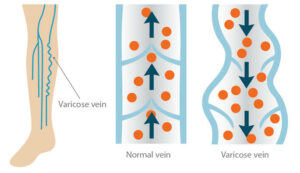

Varicose Veins
Varicose veins are enlarged, twisted veins that usually appear blue or dark purple and are most commonly found in the legs and feet. They occur when the valves in the veins don’t function properly, causing blood to pool instead of flowing back to the heart.


Sleep and Weight Loss: The Missing Link in Your Fat Loss Journey
Struggling to shed stubborn fat? Discover how sleep and weight loss are deeply connected. Poor sleep slows your metabolism, increases cravings, and disrupts hormones. Learn how improving sleep quality can supercharge your weight loss journey and help you reach your goals faster.
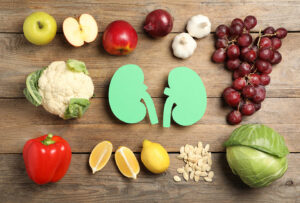
Top 5 Kidney-Friendly Foods You Should Add to Your Diet
Maintaining optimal kidney health is essential as the kidneys play a crucial role in filtering waste, balancing fluids, and regulating blood pressure. A kidney-friendly diet can help prevent kidney damage and slow the progression of chronic kidney disease (CKD). In this article, we highlight five kidney-healthy foods and their specific benefits to help support your kidney function.
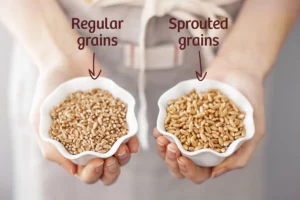

Sprouted vs. Unsprouted Grains: A Scientific Comparison for Optimal Nutrition
Sprouted grains are nutritionally superior to unsprouted grains thanks to enhanced digestibility, higher antioxidants, reduced antinutrients, and improved glycemic control. This article explores the biochemical changes during sprouting and provides practical dietary recommendations based on recent scientific research.
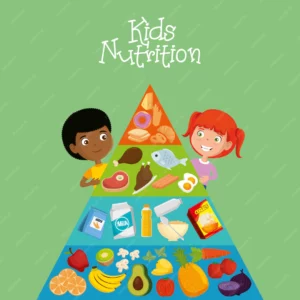
Smart Nutrition for kids during Summer Vacation
Summer vacation is a time of joy, play, and family bonding for kids. Ensuring children get the right nutrients during this period is crucial for their growth, immunity, and energy levels.

How Protein Needs Change After 40 (Especially in Menopause)
As we age, our bodies undergo a variety of changes that affect how we process nutrients. One of the most important changes occurs with protein needs, particularly after the age of 40. For women, this becomes even more critical during and after menopause, when hormonal shifts impact the body’s ability to maintain muscle mass and manage weight. Understanding how protein needs evolve during this time can be key to maintaining
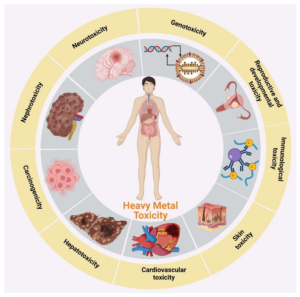
Heavy Metals in Food: Invisible Threats and How to Reduce Your Exposure
Heavy metals silently contaminate your meals—from rice and lentils to chocolate and protein powders. Learn how to protect your health by identifying high-risk foods, understanding health risks, and adopting simple, practical solutions.

Prenatal Depression: Causes, Symptoms, and Treatment.
Pregnancy is often portrayed as a joyful time, filled with excitement and anticipation. But for many women, this period can also bring unexpected emotional struggles — including prenatal depression, a condition just as serious as postpartum depression. Yet, it remains under-discussed and often misunderstood. What Is Prenatal Depression? Prenatal depression, also known as antenatal depression,
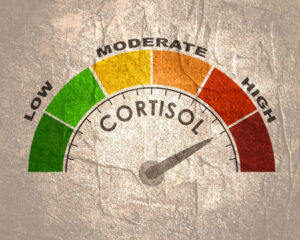

The Cortisol-Insulin Connection: Blood Sugar, Fat Storage & Cravings
Introduction: Understanding the Hormonal Tug of War Ever wondered why stress makes you crave sweets or leads to belly fat? The answer lies in the intricate connection between two major hormones cortisol and insulin. These hormones play a key role in how your body responds to stress, regulates blood sugar levels, stores fat, and triggers